
ROMANIA–U.S. SOCIAL SECURITY AGREEMENT: a historic step toward protecting transatlantic workers’ benefits. Ratified by Romania, it now awaits final approval in Washington
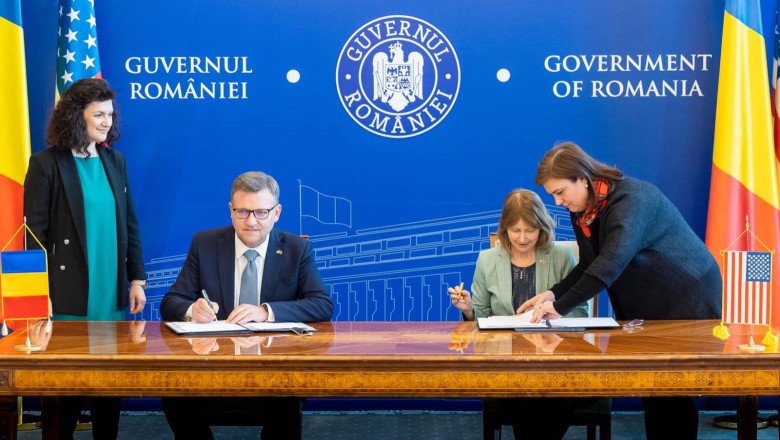
Romanian citizens who have lived and worked in both Romania and the United States are eagerly awaiting the enforcement of a groundbreaking Social Security Totalization Agreement, signed in Bucharest on March 23, 2023. This landmark treaty is designed to eliminate double taxation and secure pension rights for thousands of transatlantic workers.
The Romania-U.S. agreement serves as a financial passport for international labor mobility, ensuring that every day worked across borders counts toward retirement benefits. By removing the burden of double contributions and streamlining access to benefits, it creates a financial safety net for workers pursuing careers in both countries.
Although ratified by the Romanian Parliament through Law No. 3/2024 (published in the Official Gazette on January 4, 2024) and submitted by President Joe Biden to the U.S. Congress on September 12, 2024, the agreement is still awaiting final approval on the American side. According to Romania’s Ministry of Labor and Social Solidarity, the agreement will come into force on the first day of the fourth month following the date both countries complete their ratification procedures.
Romania officially notified the U.S. on July 1, 2024, but the congressional approval process in Washington is still ongoing.

This agreement is part of a broader network of over 30 U.S. totalization treaties with countries such as Canada (since 1984), Germany (1979), Japan (2005), and Australia (2002). In Romania’s neighborhood, Hungary has had such an agreement in effect since 2016, while Serbia’s is pending after being signed in 2019. These agreements transform bureaucratic puzzles into clear legal frameworks, offering equitable and predictable benefits for mobile professionals.
Negotiating these treaties is often a diplomatic marathon. The U.S.-Romania agreement took over a decade to finalize, reflecting the complexity of aligning distinct social security systems. For comparison, Hungary’s agreement took seven years, while Slovenia – building on lessons learned from prior treaties – finalized its agreement in just five years (in effect since 2019). These timelines highlight not only the challenges but also the commitment to strengthening long-term economic bridges between nations.

Key provisions of the agreement
The agreement introduces a system of “totalization” to combine periods of coverage in both countries and includes the following:
- Avoiding dual contributions
Employees temporarily assigned abroad pay Social Security taxes only in their home country. - Combining contribution periods
- In the U.S.: A minimum of six quarters of coverage is required. Romanian work periods are credited accordingly (three months = one quarter), up to four quarters per year.
- In Romania: One U.S. quarter is recognized as three months of contributions, up to 12 months per year. Periods from third countries with similar agreements may also be considered.
- Proportional pension calculation
Benefits are calculated based on the actual periods of contribution in each country. - Direct payment of benefits
Social security institutions in both countries will pay benefits directly to eligible individuals, regardless of where they live. - Protection of earned rights
Once accrued, benefits based on combined periods remain valid even if the agreement is terminated in the future.
Benefits for employees and employers
- For workers: Avoidance of double taxation, access to pensions in both countries, and simpler administrative processes.
- For employers: Reduced costs and streamlined procedures for international assignments.
Administrative arrangement
Signed on March 23, 2023, and approved by Government Decision No. 650/2024 (published in the Official Gazette on June 19, 2024), the Administrative Arrangement outlines the implementation procedures. Romania’s National House of Public Pensions and the U.S. Social Security Administration will coordinate the exchange of information and processing of claims.
Current status
While ratified by Romania in January 2024, the agreement is not yet in effect, pending final approval by the U.S. Congress. The Ministry of Labor will announce the enforcement date once the process is complete. The Romanian-American community, many of whom have spent decades building lives and careers on both sides of the Atlantic, looks forward to the long-awaited financial stability and pension clarity this agreement will bring.
Conclusion
The U.S.-Romania Totalization Agreement supports international labor mobility and safeguards the pension rights of transnational workers. Once fully enacted, it will not only benefit individuals and businesses but also strengthen bilateral cooperation between the two countries.
For more information, visit:
- Social Security Administration – International Agreements
- KPMG – U.S.-Romania Totalization Agreement
- EY – Ratificarea Acordului de Securitate Socială între România și SUA
- Scrisoarea Președintelui SUA către Congres privind Acordul cu România
- https://www.ssa.gov/international/agreements_overview.html
U.S. Social Security Totalization Agreement Approval Process