Little Free Library – where America shows its gentle and cultured face in the age of Artificial Intelligence
By Diana M.
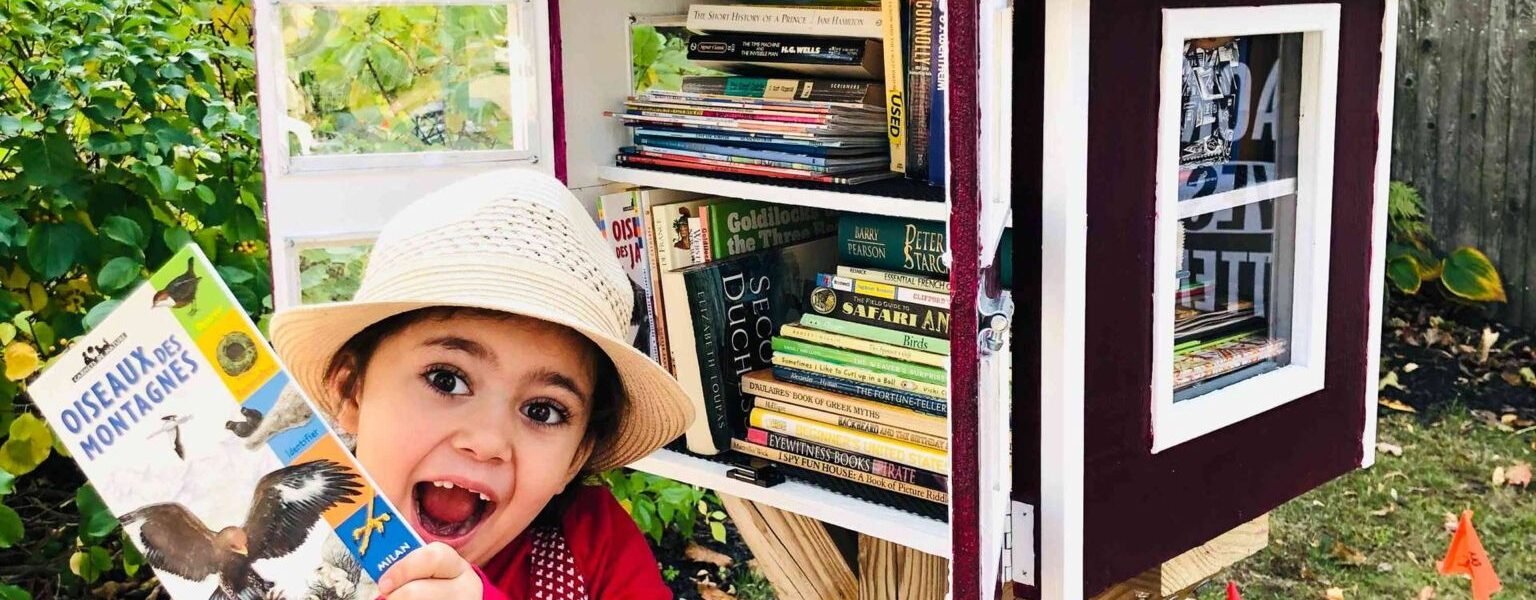
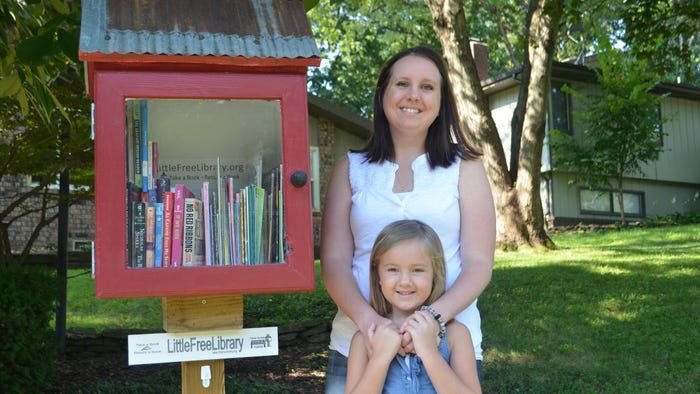
Washington, D.C., the political capital of the free world, the home of weighty speeches and colossal decisions, quietly hides, among its stately buildings and tidy neighborhoods, a discreet, tender, and deeply human phenomenon: little free libraries — small neighborhood libraries shaped like colorful houses, placed in front yards, on sidewalks, or at park corners.
They’re everywhere. Like word-filled beehives, except instead of honey, they offer meaning. And every day, without announcements, without apps, without QR codes, people come and go, leaving behind books. And sometimes, memories.
Just a few days ago, in a quiet neighborhood on the outskirts of the capital, a father brought his little girl to add two books to one of these small libraries. The girl seemed used to the ritual, as if she had been told from an early age: “When you give away a book, you lose nothing. On the contrary, you make room on your shelf, and in someone else’s heart.”
Other times, I’ve seen a couple in their late fifties carefully choosing three titles and leaving three others in return. There’s no bargaining, no business. It’s respect. And a strangely natural form of intellectual solidarity.
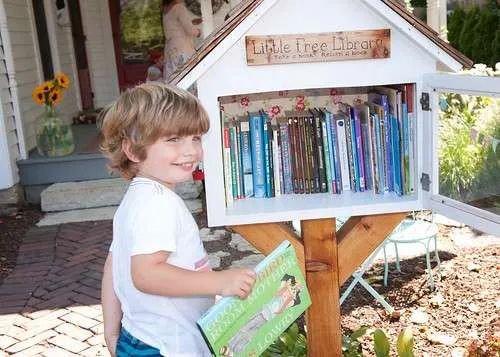
One ordinary afternoon, on a shaded sidewalk lined with well-kept grass, I witnessed a brief exchange that was as simple as it was moving. A woman, probably the owner of a little library, was speaking with a young boy:
– Why did you bring the books?
– I’m a big kid now. I’m starting school this fall. I’m leaving them for the littler kids, so they can meet Freddy and Mickey, the squirrel’s friends who teach kids how to brush their teeth and help their dads in the garage.
Where do these children come from, the ones who already know how to give? In the age of AI, where screens light up kids’ faces earlier than the sun does, in a time when we’re told nobody reads anymore, here in the U.S., at the heart of hyper-digitalization, the printed book still pulses. Gently. Warmly. Like a heart refusing to be replaced by an algorithm.
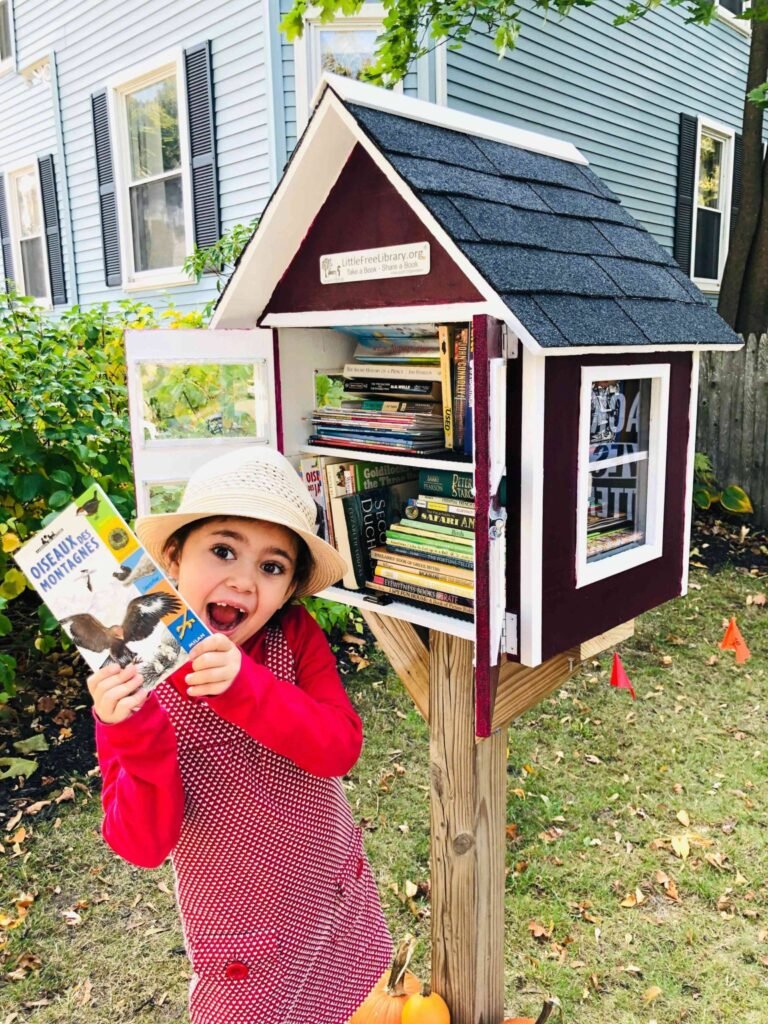
What’s even more striking is how natural the gesture feels. It doesn’t come from high-performing schools or “green & smart city” projects. It’s not pushed by any cultural authority. People just… do it. They leave books for others, without expecting anything in return. Because it feels right. Because if you have something to give, you give it, especially when you’ve grown up with the idea that it’s good to make room for others when you’ve finished your chapter.
It might just be one of the most surprising forms of urban civilization: one with no bells or whistles, no applause, but full of meaning.
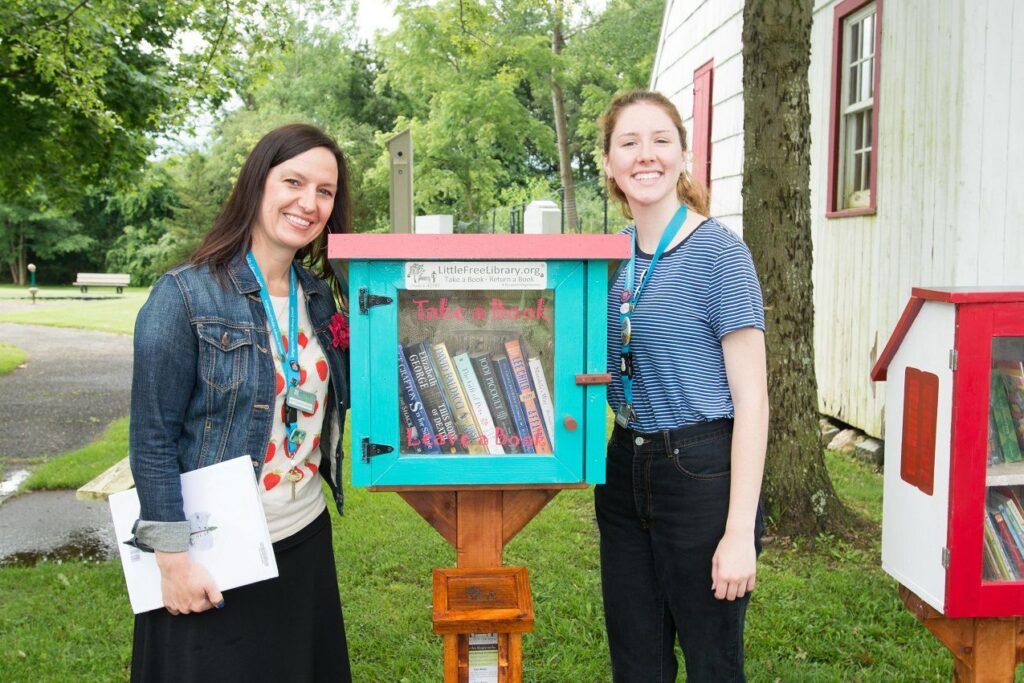
And maybe this is where the great American paradox lies: the country often dismissed as shallow by its critics is, in fact, capable of the quietest and most consistent acts of culture. It’s easy to say America is just Netflix and fast food. It’s harder to acknowledge that the museums in D.C. are free, that at the Botanical Garden you can lose yourself among orchids without paying a cent, and that, yes, a children’s book can be left one morning in a wooden box in the middle of a neighborhood, by a boy heading off to first grade.
So… don’t go by the rumors. Come and see for yourself. Read. Exchange a book.
It might just be the most profound act of urban culture you’ll make on an ordinary day.