
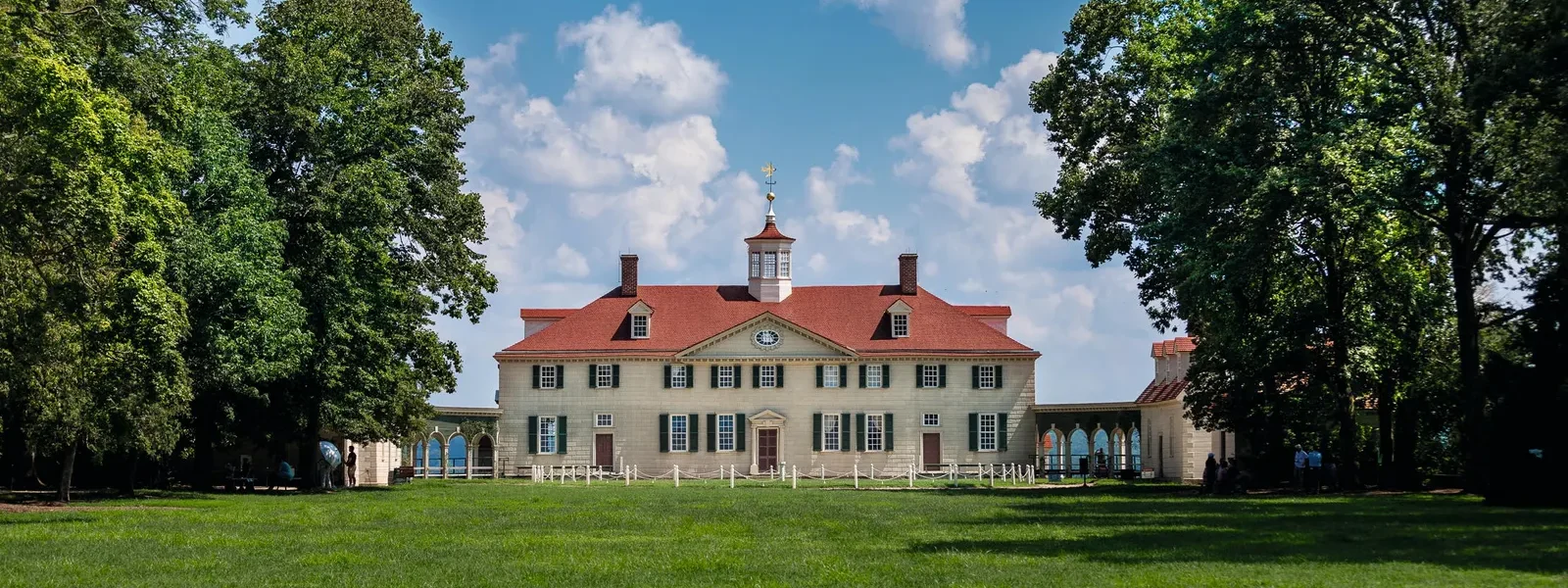
MOUNT VERNON – it’s an encounter with the roots of American democracy, quiet strength, and the art of knowing when to let go.
By Diana M.
If you’ve ever dreamed of sipping an imaginary cup of tea with George Washington, gazing at the Potomac River under the filtered light of spring clouds, well, let me take you there.
It was a cloudy day, but not the kind that ruins plans. The light was soft, gentle, perfect for introspection and for contemplating places where history took a deep breath. The sky was draped in a soft blanket of gray clouds, like a forgotten Flemish painting resting on the banks of the Potomac.
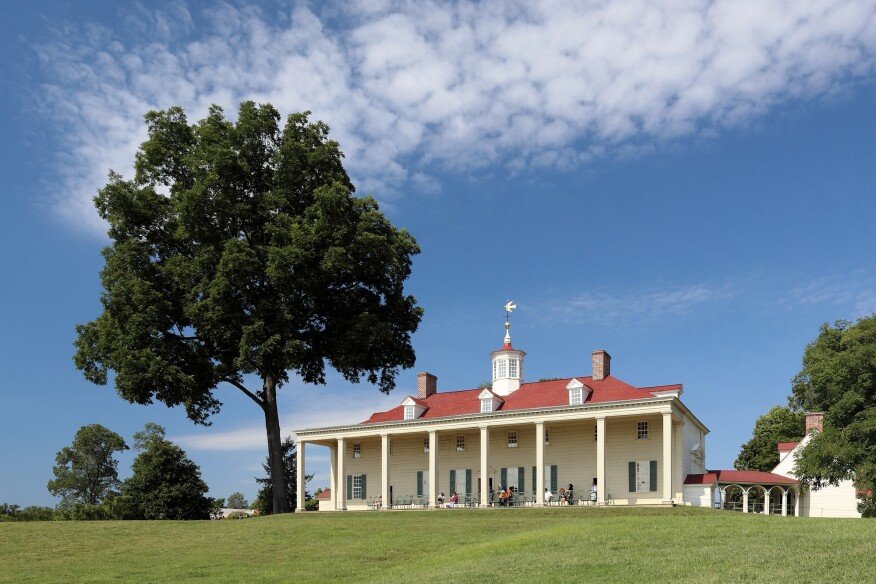
Mount Vernon, the residence of the nation’s first president, is a place where history embraces the landscape, and the past strolls leisurely among tulips, lambs, and tourists in sneakers. Dozens of people wandered up and down the paths of Mount Vernon. Tourists with wide-brimmed hats, cameras hanging from their necks, and a strangely uniform expression: a mix of curiosity, respect, and slight confusion – as if they were trying to pinpoint, among the flowers, paintings, or historical artifacts, the exact moment when democracy was born.
Even though the house was under renovation – with some rooms temporarily closed and windows covered for protection – the spirit of the place remained intact. You could feel you had arrived somewhere where great things began. A place where one man realized that power should not be clung to but released with grace.
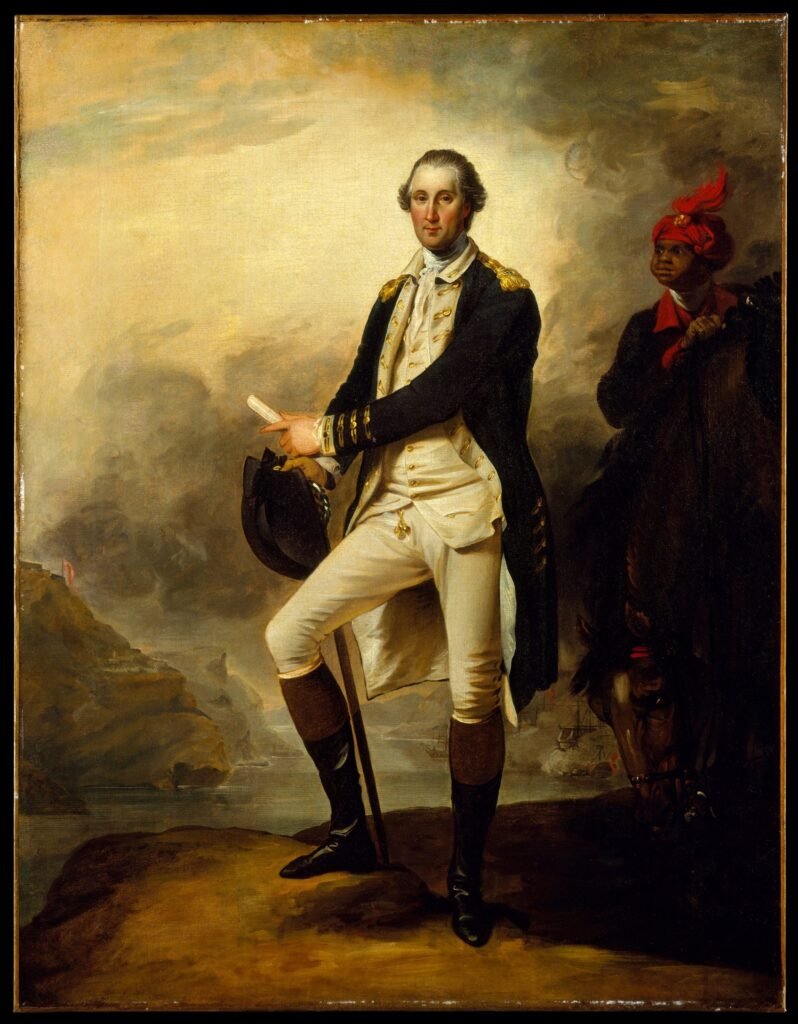
George Washington served two terms, just the right amount for a gentleman founding a democracy. He was asked, begged, perhaps even bribed with cherry pies (no evidence exists), to stay longer. But he didn’t. He left at the right time. And so, between two presidential transitions and a veranda overlooking eternity, the modern idea of temporary power was born. A president, not a monarch.
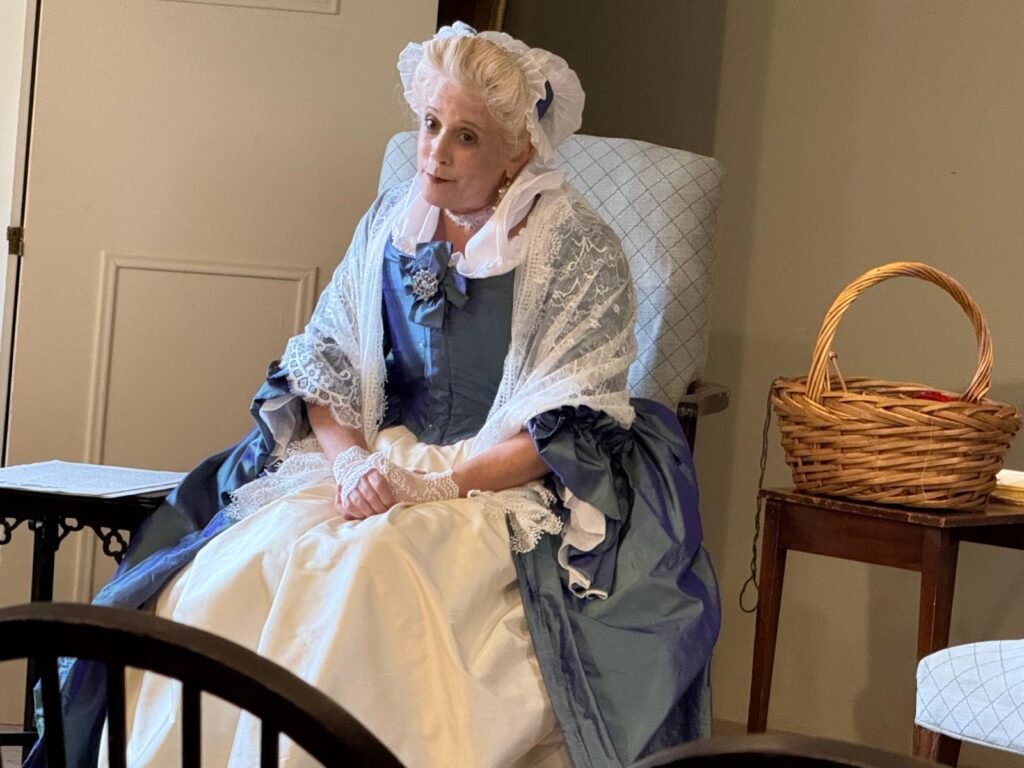
Amid this bustle of history, noble shadows moved quietly – actors in period costumes. They weren’t just performing; they were breathing life into the past. Blue uniforms with golden buttons, floral bonnets, white stockings, measured steps. A man in a wig leaned on a cane, gazing at the landscape with a grave expression as if he had just analyzed a constitutional amendment.
Beyond the myths and marble busts lies a story of friendship worthy of a historical novel written with a quill on an oak heart: the bond between Washington and the Marquis de Lafayette. Lafayette, young, enthusiastic, and with a French accent that disrupted the rigid rules of British colonists, came to America not just with a sword and uniform but with a dream: liberty. The two understood each other at a glance as if their blood flowed to the same revolutionary rhythm. Washington called him a son, and Lafayette called him a father – in a language that knew no borders, only loyalty and ideals. After the war, as a token of gratitude and admiration, Lafayette sent George Washington a symbolic gift: the key to the Bastille prison, a bridge between two revolutions, and two hearts that beat for freedom in two different languages. The key still rests in a display case at Mount Vernon, watched over by solemn silence.
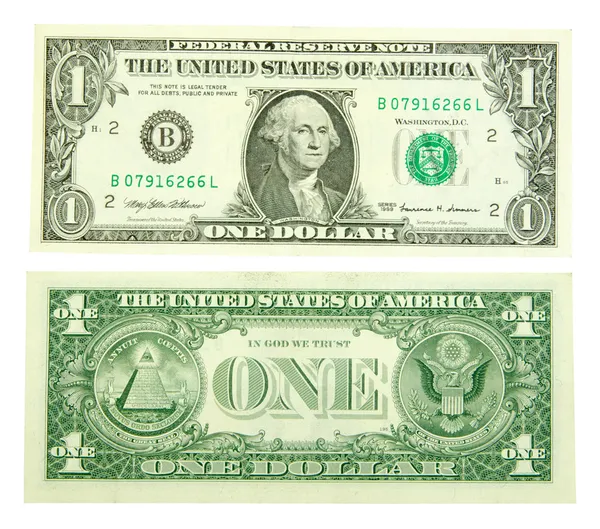
And no, let’s not forget: George Washington is still there, always present in your wallet, on the one-dollar bill. The kind of friend who never left but never asked for more than a single spot in your pocket. And Martha Washington? A lady who didn’t want the world rummaging through their private lives. So, she burned their letters – probably emotional delicacies. A lesson in dignity, worthy of a Meryl Streep movie and a lot of black tea. Speaking of imaginary tea.
The moment that took my breath away? A second of silence on the terrace overlooking the Potomac, where George likely let his thoughts wander freely. I stood there for a long moment, gazing at the river. The Potomac doesn’t rush. It’s patient. Like history. And in that moment, in that soft breeze and cool light, I felt Washington close. Not speaking. Just being. Hands behind his back, gazing at the horizon, letting democracy be born not with a shout but with a gesture of retreat.
Mount Vernon isn’t just a visit. It’s an encounter – with nature, with history, and with the idea that sometimes, stepping back with honor and dignity is the most courageous political act. And yes, it’s also a lesson about flowers. Because those British tulips, planted right next to Martha’s personal liberty statue, are more than decoration. They’re a kind of, “Hey, even a garden can be revolutionary!” The truth is, looking at the Potomac from that corner of paradise, you understand why Washington didn’t want a third term. When you have a veranda like that and a garden where tulips greet you like grateful citizens, who cares about Congress? Who wants to negotiate treaties when the sun rolls over the river with such generosity?
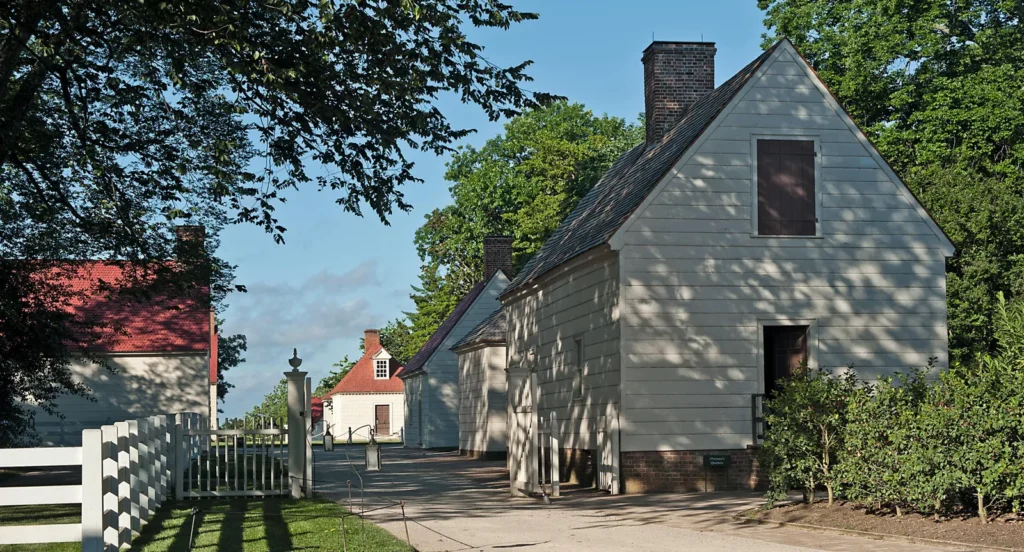
So, Mount Vernon isn’t just the place where a president lived. It’s the place where America began to breathe peacefully. Where flowers grow by rules written by the sun, not the Senate. And where the silence of a terrace can be more eloquent than a speech in Congress. Maybe democracy was born in battle, but it learned to love peace – here, at Mount Vernon, where even time seems to linger… but only with George Washington’s permission.
And even though the day was cloudy, Mount Vernon shone – not with sunlight, but with the light of ideas. With the strength of a principle carried to its conclusion. And with an inner clock that ticked, slowly and surely, like George Washington’s: on time, without delay, without ego, but with great, great responsibility.
If you’re lucky enough to visit Mount Vernon in spring, put on an imaginary hat, make a discreet bow, and say “thank you” to a man who knew when to stay, when to leave, and when to write history with a million-dollar view.